
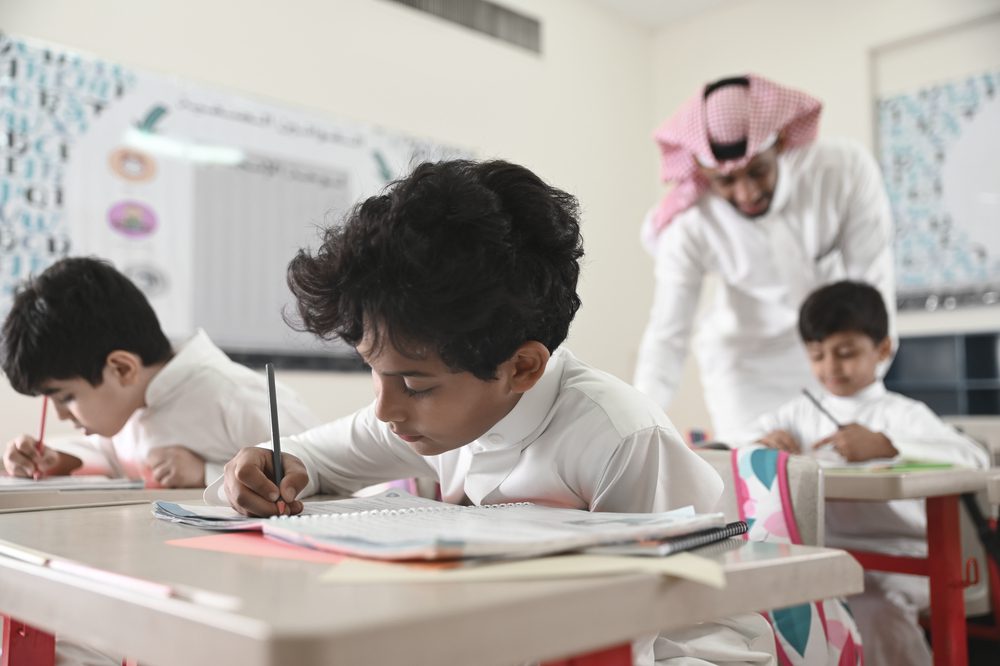
Education is not just the transfer of knowledge, but an interactive process that requires effective and continuous communication between all parties involved. Communication plays a crucial role in achieving mutual understanding, effective cooperation and joint progress. Without good communication, the educational process becomes ineffective and loses its intrinsic value. In this context, educational institutions, teachers, students and parents must work together to achieve common goals and succeed in the educational field.
1. Strengthening partnership and cooperation
Communication plays a fundamental role in enhancing partnership and cooperation between students and teachers, as well as the relationship between school administration and parents. Transparency in communication ensures clarity and accessibility of information, which enhances students’ understanding and comprehension of the academic content and improves the relationship between teacher and student, thus improving academic performance.
2. Monitor academic progress
Monitoring academic progress and providing feedback requires effective and ongoing communication. Through ongoing and open dialogue, teachers can identify students’ strengths and weaknesses and work to improve them. Good communication also allows parents to monitor their children’s progress and actively participate in the learning process.
3. Promote belonging and engagement
Enhancing belonging and engagement is achieved through effective communication that makes students feel that they are an integral part of the educational institution and that they have an effective and influential role in it. This sense of belonging increases students’ desire to participate effectively and positively in the educational process.
4. Identify needs and expectations
Good communication helps schools provide an educational experience that meets the expectations and needs of students and parents, which enhances students’ academic achievement and satisfaction with the educational service provided.
5. Respond to challenges quickly
Challenges and difficulties are an integral part of the learning process. But through effective communication, they can be identified and dealt with efficiently and quickly, preventing the situation from escalating.
6. Support personal development
In a learning environment that encourages communication, students become more able to express themselves, thus enhancing their social and emotional skills.
In conclusion, the educational process is an integrated system that requires joint efforts from all concerned parties, and good and continuous communication is the essential element that brings these parties together. Through effective and constructive communication, academic excellence can be achieved and positive relationships can be strengthened within the educational community, which contributes to preparing a distinguished generation capable of facing challenges and achieving success in life.